Deal Notes #1: 3 TrustMRR Listings and What Builders Can Learn
This is educational commentary, not financial advice and not a recommendation to buy or sell.
Intro
Theme of this issue: revenue is not the same as durability. These listings show why recent revenue, MRR, and all-time revenue are only starting points. The real questions are: where did the users come from, do they stay, what does it cost to serve them, and can the business transfer to a new owner?
1) AppAlchemy (TrustMRR)
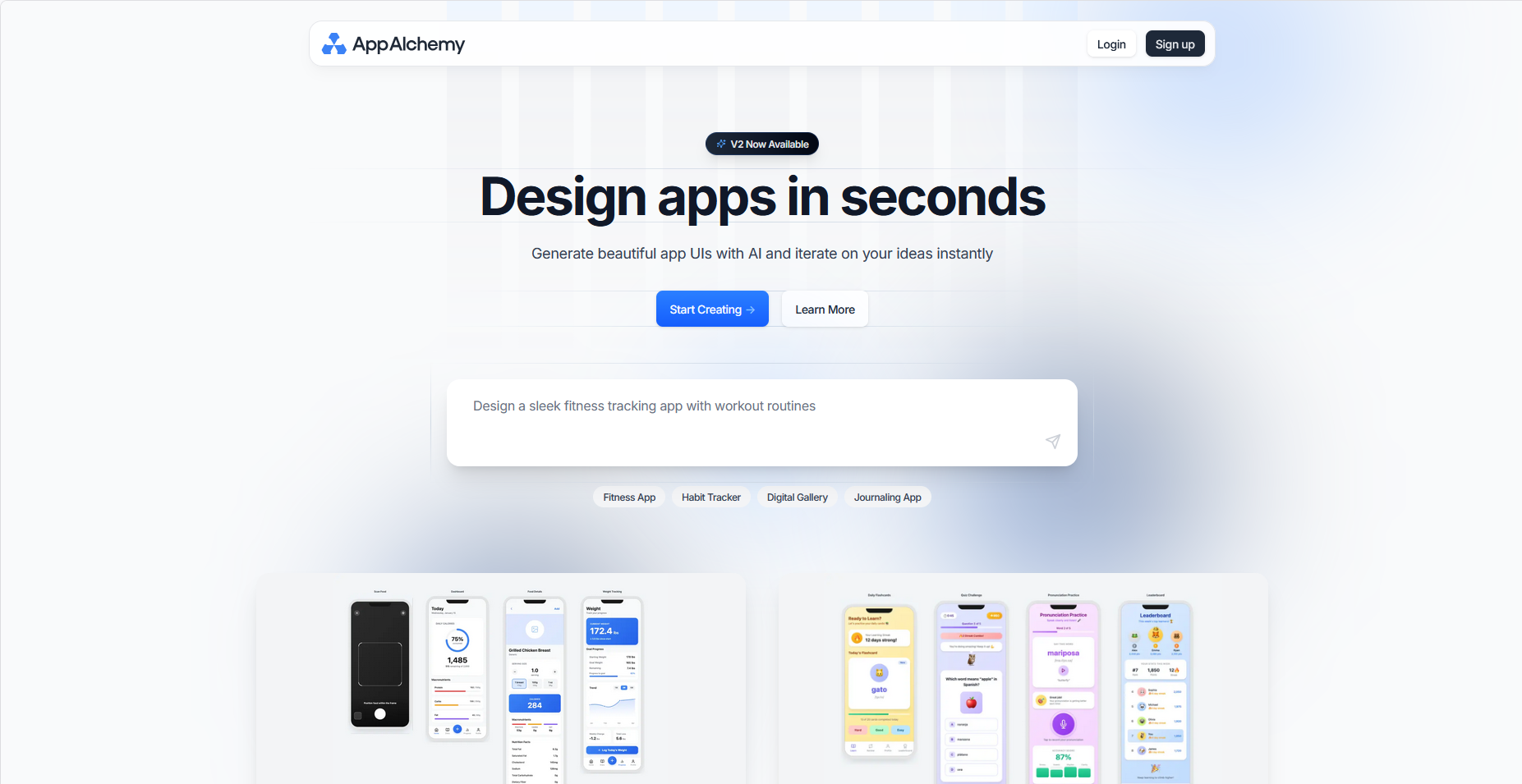
Snapshot
- Asking price: $75,000
- Revenue (last 30 days): $7,708
- All-time revenue: $213,737
- Estimated MRR / subscriptions: $11,966 / 381 active subscriptions
- Category: AI design tool
What this business seems to be
Based on the public listing, this appears to be an AI design product sold to creators and small teams who want faster visual output. The likely revenue stream is subscription-heavy with some usage variation over time. In most deals like this, the core value is usually brand/domain, product code, user base, and existing acquisition channels - but exact transfer scope always needs direct verification.
Quick read on the numbers
- Asking price / last-30-day revenue: about 9.7x ($75,000 / $7,708).
- Asking price / estimated MRR: about 6.3x ($75,000 / $11,966).
- These are rough educational ratios, not a valuation. They can mislead if recent months were unusually strong, discounted, or acquisition-cost heavy.
What could make it durable
- Users repeatedly create new assets instead of churning after one project.
- Organic or brand-driven acquisition reduces paid-channel dependency.
- Model/provider costs stay predictable as usage grows.
- Clear product differentiation in a crowded AI design market.
What could make it fragile
- AI design category crowding compresses retention and pricing power.
- Revenue spike tied to short-term launch momentum rather than stable cohorts.
- Heavy paid acquisition dependence with rising CAC.
- Unclear transfer of brand assets, workflows, or growth engine ownership.
Who this might fit / who should be cautious
Might fit: a technical operator comfortable with AI-tool iteration, pricing tests, and acquisition experiments. Be cautious if: you expect passive income, cannot evaluate churn by cohort, or cannot absorb traffic volatility.
Small-builder version
Instead of buying this, you could build a narrower AI design utility (for example, ad-creative resize packs for one niche, creator thumbnail workflows, or brand-kit automation for agencies) and validate repeat usage before expanding feature scope.
What I'd verify
- Stripe month-by-month revenue, net revenue after refunds, and churn by signup cohort.
- Traffic source split (organic, paid, affiliates, partnerships) over 6-12 months.
- Contribution margin after model/API costs at current and higher usage levels.
- Exact transfer list: code, domains, analytics, billing setup, and creative assets.
Builder takeaway
A healthy-looking revenue month is only a snapshot. Durability comes from repeat use, predictable acquisition, and unit economics that still work after ownership transfer.
Listings can change, sell, or disappear. Verify all details directly on the marketplace.
2) Lingo Widget: Daily Vocabolary (TrustMRR)
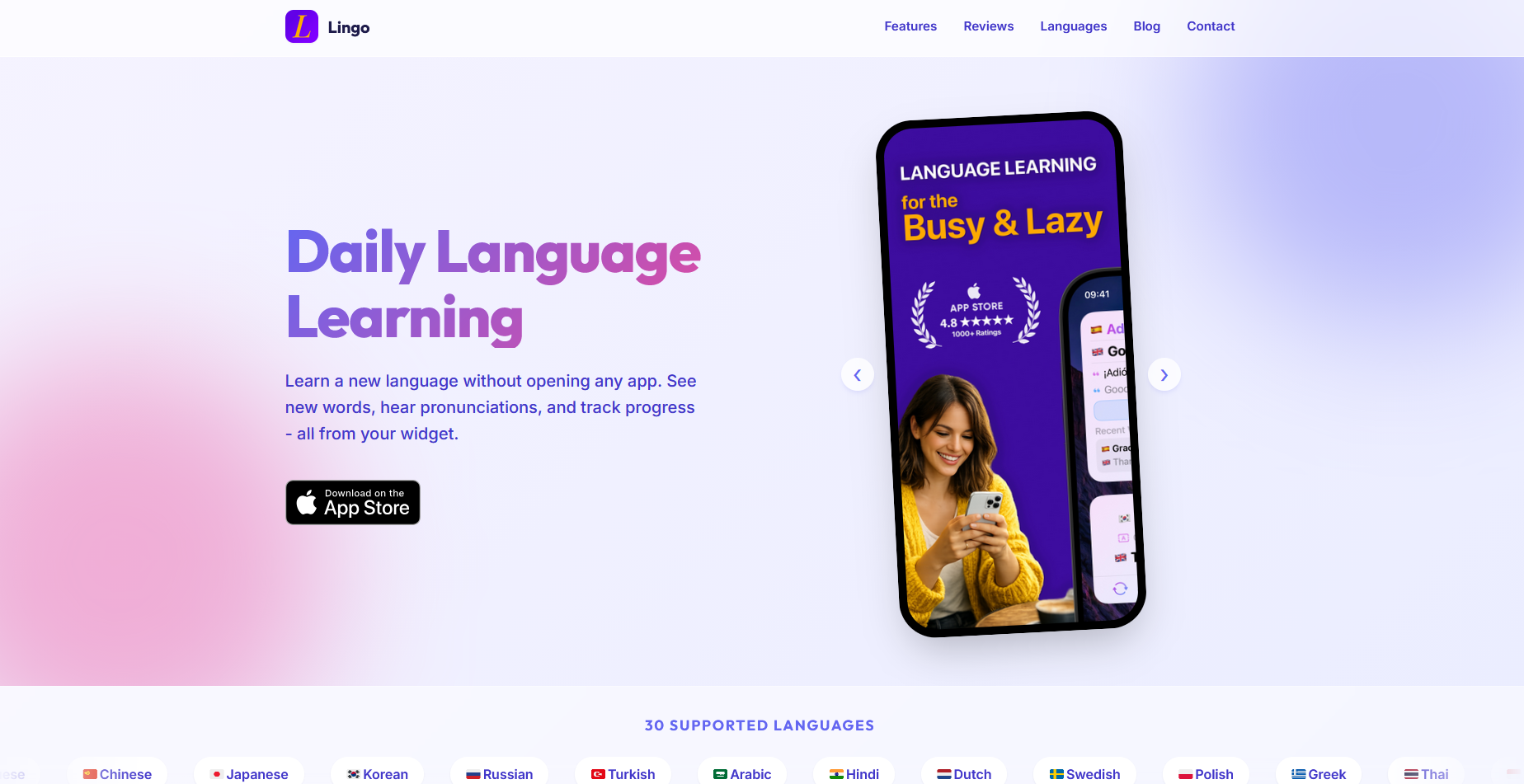
Snapshot
- Asking price: $30,000
- Revenue (last 30 days): $1,607
- All-time revenue: Check listing
- MRR / subscriptions: $588 / 129 active subscriptions
- Category: Language learning app
What this business seems to be
This looks like a language-learning app business where revenue likely depends on subscription conversion and retention from app-store traffic. The probable bundle in a sale is app code, brand/domain, store presence, and subscriber base - but what operational workload transfers (content, localization, ASO cadence, support) needs explicit confirmation.
Quick read on the numbers
- Asking price / last-30-day revenue: about 18.7x ($30,000 / $1,607).
- Asking price / MRR: about 51.0x ($30,000 / $588).
- These are rough educational ratios, not valuation advice. Mobile-app numbers can shift quickly with ranking, seasonality, and trial policy changes.
What could make it durable
- Strong week-4/week-8 retention and steady renewal behavior.
- Consistent organic acquisition from searchable app-store intent.
- Content pipeline that keeps users engaged over time.
- Clear product niche versus broader language apps.
What could make it fragile
- Store ranking dependence creates acquisition volatility.
- Weak retention can make subscriptions look larger than they are.
- Localization and content upkeep may be heavier than expected.
- Paid user acquisition may not be profitable at scale.
Who this might fit / who should be cautious
Might fit: an app operator who can manage ASO, onboarding, and subscription analytics. Be cautious if: you treat store traffic as guaranteed or cannot evaluate retention cohorts and refund dynamics.
Small-builder version
Instead of buying this, build a focused micro-learning product for one audience segment (for example, language drills for specific professions, travel prep, or exam formats) and validate retention before broadening scope.
What I'd verify
- RevenueCat cohort retention, trial-to-paid conversion, and net MRR after refunds.
- Keyword-level App Store ranking stability across multiple months.
- Revenue concentration across top countries, channels, and subscription plans.
- Engineering handoff quality, release cadence, and localization obligations.
Builder takeaway
App revenue is only useful when paired with retention quality. Distribution spikes can look attractive but fade quickly if users do not stick.
3) GoStudio AI (TrustMRR)

Snapshot
- Asking price: $10,000
- Revenue (last 30 days): $2,142
- All-time revenue: $8,710
- Estimated MRR / subscriptions: $481 / 49 active subscriptions
- Category: AI image tool
What this business seems to be
This appears to be an AI image-generation product aimed at users needing fast visual outputs. Revenue likely mixes subscriptions and short-cycle purchases. In deals like this, value often sits in the code, prompt/feature UX, domain/brand, and acquired users - but transfer depth and operational burden can vary widely.
Quick read on the numbers
- Asking price / last-30-day revenue: about 4.7x ($10,000 / $2,142).
- Asking price / estimated MRR: about 20.8x ($10,000 / $481).
- These are rough educational ratios, not valuation. A low asking price can still hide fragile economics if demand or margins are unstable.
What could make it durable
- Clear repeat-use workflows instead of one-off novelty usage.
- Gross margins remain healthy after generation/provider costs.
- Acquisition channel diversity beyond short-term social spikes.
- Product positioning that is not easily replaced by larger tools.
What could make it fragile
- Category crowding in AI image tools compresses pricing power.
- Provider/API dependency can pressure margin without warning.
- Revenue quality may rely on one-time demand bursts.
- Transfer scope may be narrower than expected for growth workflows.
Who this might fit / who should be cautious
Might fit: a technical builder who can improve workflow UX and test channels quickly. Be cautious if: you expect passive operation or cannot model provider costs and churn.
Small-builder version
Instead of buying this, build a narrow AI image workflow for one job-to-be-done (for example, ecommerce hero-image variants, realtor listing visuals, or consistent social brand templates) and validate repeat weekly usage first.
What I'd verify
- Payment-level revenue quality: refunds, chargebacks, and reactivation behavior.
- Channel-level acquisition split and paid dependency by month.
- Cost per generation and margin sensitivity to provider pricing changes.
- Exact transfer scope for codebase, prompts, brand assets, and analytics setup.
Builder takeaway
Cheap listings are not automatically simple. Durability still depends on repeat usage, margin control, and transfer-ready operations.
Red Flag of the Week
Short-term revenue windows are not proof of long-term quality.
Get RealWebWins Weekly
One real online business, one risk signal, and one practical builder takeaway each week. No hype, no passive-income fantasy.
Having trouble with the form? Subscribe here.